Picture Books About Trying a New Sport: A Reading Guide
Last Updated: November 6, 2026
Quick Summary
Picture books about trying a new sport help young children feel brave before a first practice, game or lesson. Stories that name nervousness, show characters trying and trying again, and use simple repeated phrases let children rehearse the experience. Choose one sport per book for toddlers and preschoolers, and match the story to your child's current feeling.
Picture books give children a safe preview of a new experience through a story.
Toddlers respond best to short, rhythmic text with bright, simple illustrations.
Choose one sport per book for the youngest readers to avoid overwhelming them.
Stories that show honest disappointment before recovery give children a realistic model.
Repeat the same book over several weeks so the child grows comfortable with both story and activity.
Table of Contents
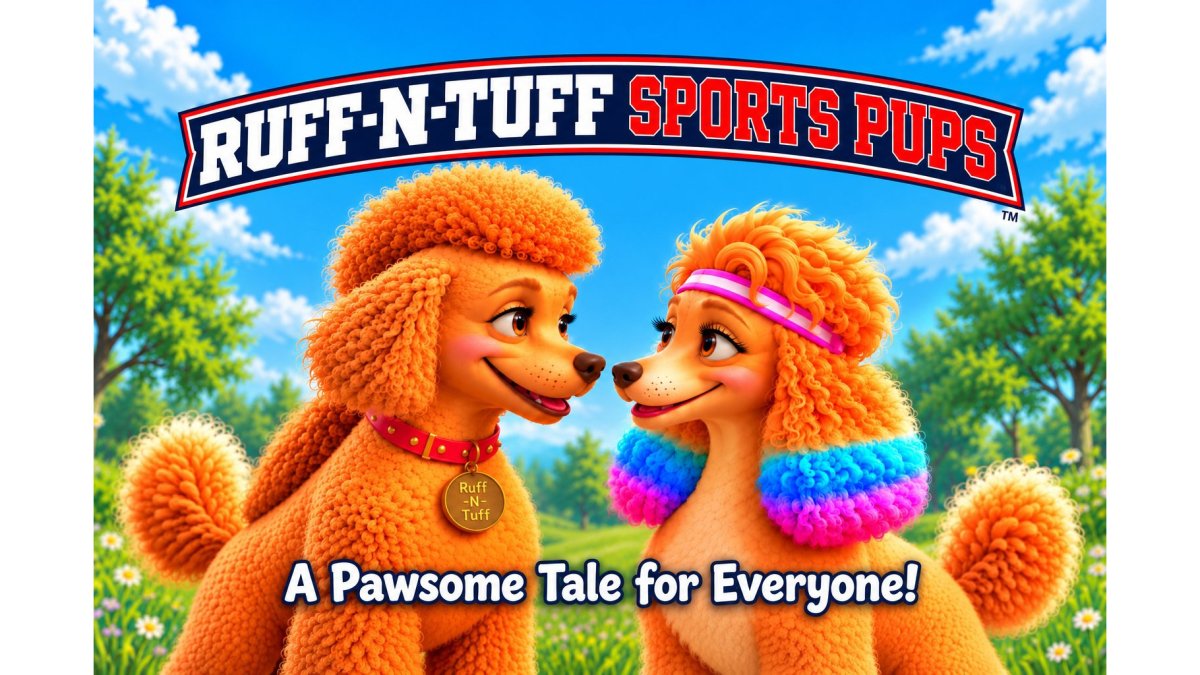
Picture books about trying a new sport can do more than entertain. For a young child stepping onto a field, court or pool for the first time, a well-chosen story can make the unfamiliar feel possible. At Ruff-n-Tuff Sports Pups, we have built our sports-themed picture books around exactly that idea, starring MacDoodle, a Labradoodle who learns that a squad works best when everyone gets a turn in the spotlight. This guide from Ruff-n-Tuff Sports Pups walks through the kinds of stories that help young children feel brave about trying something new, and how to choose among them.
Why Picture Books Help Children Try a New Sport
Picture books give a child a safe preview of a new experience. A story about a character who is nervous on the first day of practice lets a young reader rehearse those feelings before they arrive in real life. Research on sports content in children's picture books

For parents, the reading time itself matters too. A shared book creates a calm moment to talk about what a child might expect, what might feel hard, and how it is normal to feel unsure. Books that show characters trying, stumbling and trying again give families a common vocabulary for effort.
Sports Picture Books for Toddlers and Preschoolers
Very young children respond best to short, rhythmic text and bright, simple illustrations. Look for books where the sport is shown through a single clear action, such as kicking a ball or catching one, rather than a full game with complicated rules.
Read-aloud pacing matters. Stories with repeated phrases invite toddlers to join in, which keeps them engaged and helps them remember the sport's basic movements. For example, a book that repeats "bounce, bounce, shoot!" lets a child anticipate and chant along, turning reading time into a physical rehearsal.
When choosing for this age group, prioritize books that show a single sport clearly. Titles focused on soccer, swimming, gymnastics, and martial arts are widely available and let a child see one activity in detail rather than a confusing mix.
Watch out: Books that pack in too many sports or complex game rules can overwhelm a toddler and dilute the message that trying one new activity is manageable. Stick to one sport per book for the youngest readers.
The table below summarises how to match picture books to a child's age and reading needs, based on the guidance in this section.
Age group | Best book style | Watch out for |
Toddlers | Short, rhythmic text with bright, simple illustrations | Books packing in too many sports |
Preschoolers | Stories showing one clear action, like kicking or catching | Complex game rules |
Any young reader | Repeated phrases that invite chanting along | Sports shown in confusing mixes |
Youngest readers | One sport per book | Diluted message about trying one activity |
Kids Books About Sportsmanship, Winning and Losing
Stories about sportsmanship help children understand that losing is part of playing. A good book shows a character who is disappointed, then finds a way to congratulate a teammate or opponent. Explore more on how sports books build confidence Look for books where the character's disappointment is shown honestly, slumped shoulders, a frown, a quiet moment, before the recovery. That arc gives children a realistic model rather than a glossed-over "just be happy for them" message.
These books work well as conversation starters. After reading, ask your child what the character could have done differently, or how they would feel in the same moment. Try specific prompts: "What did the character's face look like when they lost?" "What did they say to their teammate?" "What could you say after a game if you feel upset?" Concrete questions like these help children connect the story to their own experience.
A common pattern in strong sportsmanship books is the "two-sided win", the main character loses the game but gains something else, such as a new friend, a new skill, or the respect of a coach. This structure teaches that effort and attitude matter beyond the scoreboard. Books that show a character losing and then returning to practice the next day reinforce persistence in a way children can understand.
Our MacDoodle stories highlight sharing the spotlight, which gives families a natural way to talk about being a good teammate.
Watch out: Books that moralize too heavily or make the losing character instantly cheerful can feel false to children. Choose stories where the recovery takes a little time and effort, matching how real children process disappointment.
Children's Books About Trying New Things and Feeling Nervous
Many children hesitate before a new activity. Picture books that name that hesitation, rather than brushing it aside, tend to resonate more. A character who admits to feeling scared, then takes one small step forward, models a realistic kind of courage.
Pair these stories with practical preparation. If a child is anxious about an upcoming tryout or first class, a book can open the discussion, and a simple plan for the first day can keep the momentum going.
Sports Books for Preschoolers Organized by Feeling
Choosing by feeling can be more useful than choosing by sport. Consider what your child is experiencing right now:

Excited but unsure: Look for stories about a first attempt that ends in a small win.
Afraid of getting it wrong: Choose books where mistakes are part of the plot, not a reason to quit.
Frustrated by losing: Pick stories that show graceful recovery.
Wanting to belong: Select team-focused books that celebrate friendship.
This approach helps match a book to a child's emotional moment, not just their interests.
How Parents and Educators Can Use These Books
Reading is most effective when it becomes part of a routine. Read the same book several times over a few weeks, and let the child choose which parts to act out. Repetition builds comfort with both the story and the activity it describes.
Choosing Your Next Read: MacDoodle and the Ruff-n-Tuff Series
If your child is drawn to dogs as well as sports, the MacDoodle stories are built for that combination. MacDoodle, our Labradoodle hero, shows young readers how to play as a squad, keep trying through challenges, and believe in themselves. You can explore the full cast of characters on our Children's Book Characters page, and see the complete range of books and merchandise on our Ruff-n-Tuff Sports Pups store page.
For families who want to go further, our companion article on books that inspire kids to play sports and build confidence offers more on the same theme. Pairing a book with practical preparation can also help; see our guide to tryout prep steps for nervous kids.
Whichever story you choose, the goal is the same: a child who feels ready to step onto the field. Every picture book in this guide is a small invitation to try.
Frequently Asked Questions
What are good picture books about trying a new sport?
Look for picture books that show a child nervous about a first practice, then getting through it. Stories that cover both solo activities and team sports help children see that starting is hard for everyone. The Ruff-n-Tuff Sports Pups series at https://www.ruffntuffsportspups.com follows MacDoodle, a Labradoodle, through sports-themed adventures about teamwork, perseverance and self-belief. Public library staff-picked lists are another good place to browse before buying.
Are there sports picture books for toddlers?
Yes. Many sports picture books for toddlers use simple rhythmic text, bright illustrations and one clear idea per page, such as kicking a ball or running to a finish line. Read-aloud books with repeated phrases work well for children who are still learning to follow a story. Choose books with short sentences and plenty of pictures, and pair them with a real ball or activity so the child can act out the story.
What should I look for in a sports book for young children?
Check the recommended age range, the length of the text and whether the story focuses on feelings as well as game action. Good books for young children show a character facing a fear, trying again after a mistake or cheering for a teammate. Illustrations that show diverse children and a range of sports can make the book more relatable. Read the book yourself first to judge whether it suits your child's attention span.
What children's books teach sportsmanship and teamwork?
Sportsmanship picture books usually focus on how a character behaves after winning or losing, and how they encourage a teammate. Teamwork stories show characters sharing the spotlight and playing as a squad. The MacDoodle books from Ruff-n-Tuff Sports Pups, available at https://www.ruffntuffsportspups.com, center on these values. Pair any of these books with a conversation about how your child felt after their last game or practice.

Comments